
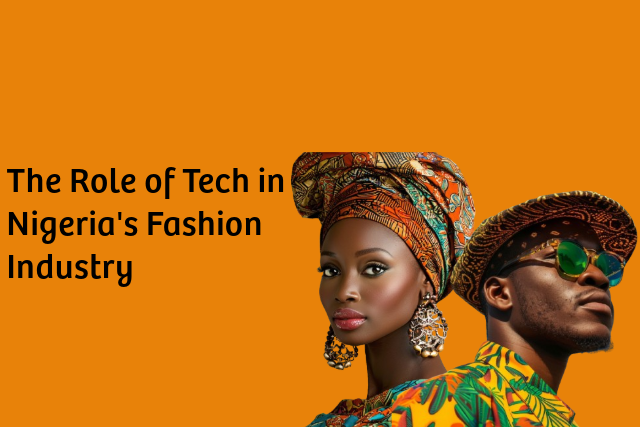
The role of tech in Nigeria’s fashion industry is rapidly evolving, transforming everything from design and manufacturing to marketing and sales. Imagine a world where your tailor isn’t just someone with a sewing machine, but a digital artisan wielding 3D modeling software! That’s the exciting frontier we’re stepping into. Nigeria’s vibrant fashion scene, known for its bold prints, intricate designs, and cultural richness, is now being supercharged by technology, creating a fusion that’s as dynamic as the country itself. Let’s dive into how tech is weaving its magic into the very fabric of Nigerian fashion:
1. Digital Design and 3D Modeling: Sketching the Future
Gone are the days of solely relying on hand-drawn sketches. Now, designers are embracing 3D modeling software to visualize their creations with stunning accuracy. This allows for intricate pattern drafting, virtual fabric draping, and even virtual fittings, reducing waste and boosting efficiency. It’s like having a digital mannequin that never complains! Think of it: a designer in Lagos can create a detailed “aso oke” design and virtually see how it flows and fits before any fabric is cut. This not only speeds up the design process but also allows for more experimental and innovative designs.
2. E-commerce and Online Marketplaces: Bringing the Runway to Your Fingertips
Platforms like Jumia, Konga, and dedicated fashion marketplaces are democratizing access to Nigerian fashion. Small businesses and independent designers can now reach a global audience without needing a physical storefront. Social media platforms like Instagram and Facebook have become virtual runways, allowing designers to showcase their work and connect directly with customers. Live selling, influencer marketing, and targeted ads are also changing how brands engage with their audience. It’s like having a 24/7 fashion show in your pocket!
3. On-Demand Manufacturing and Customization: Tailored to Perfection
Tech is enabling on-demand manufacturing, allowing customers to order customized clothing that fits their unique measurements and preferences. This reduces excess inventory and waste, promoting sustainable practices. Imagine ordering an “ankara” dress that’s perfectly tailored to your body type, delivered straight to your door! This level of personalization is not just convenient but also empowers individuals to express their unique style.
4. Augmented Reality (AR) and Virtual Reality (VR): Trying Before Buying (Virtually!)
AR and VR are revolutionizing the shopping experience. Virtual try-on apps allow customers to see how clothing looks on them without physically trying it on. Imagine using your phone to see how that “adire” outfit fits you, changing colors and patterns with a swipe! VR experiences can create immersive fashion shows and virtual showrooms, bringing the runway directly to your living room. This is particularly useful for overseas clients who can’t physically visit boutiques in Nigeria.
5. AI-Powered Trend Forecasting and Personal Styling: Predicting the Next Big Thing
Artificial intelligence is being used to analyze fashion trends, predict consumer preferences, and even offer personalized styling recommendations. AI algorithms can sift through vast amounts of data from social media, e-commerce platforms, and fashion blogs to identify emerging trends. Imagine an app that suggests outfits based on your style preferences and the latest trends in Lagos! This not only helps designers stay ahead of the curve but also provides consumers with a more personalized and seamless shopping experience.
6. Mobile Payment and Logistics: Seamless Transactions and Delivery
The rise of mobile payment systems and efficient logistics networks is crucial for the growth of the e-commerce sector. Platforms like Paystack, Flutterwave, and reliable delivery services are making it easier for customers to purchase and receive their fashion items. This ensures a smooth and secure shopping experience, boosting customer confidence and driving online sales. No more worries about “delivery wahala”!
In conclusion, the role of tech in Nigeria’s fashion industry is not just about innovation; it’s about empowerment. It’s about bridging the gap between tradition and modernity, creating a sustainable and inclusive fashion ecosystem. As technology continues to evolve, we can expect even more exciting developments that will further elevate Nigeria’s fashion scene on the global stage. So, get ready to witness a fashion revolution, one digital stitch at a time!
